


The best metal roof tiles for Texas homes are built to handle intense heat, heavy hailstorms, and high winds without constant repair or replacement. Among the top performers, stone-coated steel tiles stand out as the most durable, cost-effective option for long-term protection.
Across Houston, Dallas-Fort Worth, Austin, and San Antonio, homeowners are switching to metal roofing systems for their strength, lifespan, and energy efficiency — benefits that traditional asphalt shingles can’t match.
Why Metal Roof Tiles Are Great for Texas Homes
Texas weather tests every roof to its limit. Summer temperatures often climb past 100°F, while spring hail and fall storms can strike at any time.
Superior heat control:
Metal roofing reflects sunlight instead of absorbing it, helping to keep attics and living spaces cooler. Homeowners in Round Rock and The Woodlands often report lower utility bills after upgrading to metal roofs.
Exceptional durability:
In regions prone to hail — from Waco to Fort Worth — metal roofing provides a sturdy barrier that resists cracks, punctures, and leaks. For homeowners comparing storm damage roof restoration in Austin, metal is often the more resilient choice.
Differences in Metal Roof Tile Materials
Not all metal tiles are alike. The base metal, coating, and installation method affect appearance and performance.
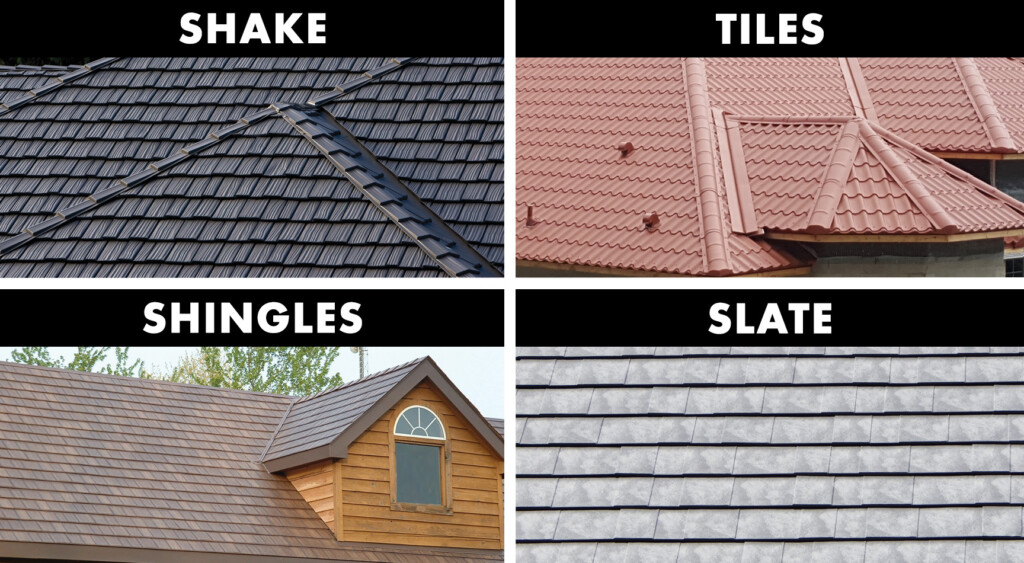
Stone-coated steel combines the resilience of steel with the look of shingles or tile. It’s ideal for neighborhoods in Frisco, Katy, or Southlake, where HOAs prefer traditional styles.
Other styles — including Slate, Cedar Shingle, Shake, Mediterranean Tile, and Standing Seam — allow homeowners to match their roof to their home’s architecture. Whether it’s a Spanish Colonial in San Antonio or a modern design in Austin, metal roofing enhances both beauty and protection.
If you’re weighing aesthetic choices versus performance, read more in Roof Materials for Austin Homes to understand how material selection affects long-term roof health.
How Long Do Metal Roof Tiles Last in Texas?
A professionally installed metal roof can last 40 to 70 years, far exceeding the 15- to 25-year lifespan of asphalt shingles. The payoff is reliability — homeowners in Georgetown or McKinney often install metal roofs knowing they won’t face another replacement for decades.
Metal’s ability to withstand hail, wind, and heat makes it an ideal option for property owners considering storm damage roof restoration in Texas as part of a long-term upgrade rather than a short-term fix.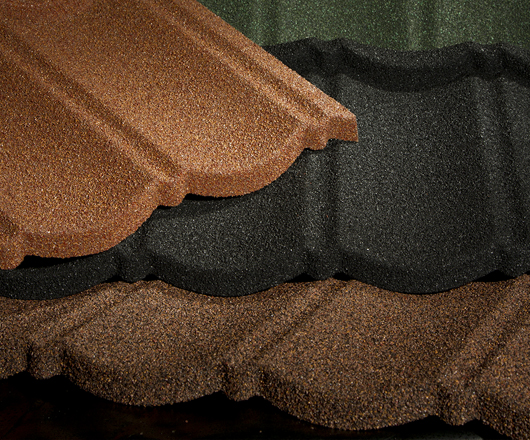
Top 5 Metal Roof Tile Types for Texas Homes
-
Stone-Coated Steel Tiles
Renowned for combining durability and curb appeal. The textured coating adds protection and reduces noise during rainfall — excellent for homes in College Station or Temple. -
Aluminum Shingle-Style Tiles
Lightweight and corrosion-resistant, aluminum works especially well in coastal cities like Galveston and Corpus Christi where salt air shortens other materials’ lifespan. -
Standing Seam Metal Panels
Featuring raised seams and concealed fasteners, this sleek option eliminates leak points — a common issue identified in emergency roof repair in Austin projects. -
Copper Metal Tiles
Extremely long-lasting and naturally antimicrobial, copper resists algae growth in humid regions like Tyler and Beaumont. -
Mediterranean-Style Metal Tiles
Mimicking barrel tiles, these designs create airflow beneath the surface to reduce heat absorption — ideal for homes in Laredo and El Paso.
How to Install and Maintain Metal Roof Tiles in Texas
Installation precision matters. Always choose certified Texas roofing professionals who understand local building codes and wind-resistance requirements from Amarillo to Brownsville.
Metal roofs require minimal upkeep: an annual inspection to tighten fasteners, check flashings, and clear debris is usually enough. The system naturally resists rot, insects, and fire, making it a reliable option for properties in Hill Country or East Texas.
For detailed guidance on choosing the right contractor, refer to Falcon Roofing’s roof replacement estimator to plan your project budget.

Do Metal Roofs Save Money in Texas?
Yes — metal roofing offers long-term energy efficiency and insurance savings. Reflective coatings qualify as “cool roof” materials under many Texas building code incentives, reducing indoor temperatures and cooling costs.
Additionally, insurance carriers frequently provide discounts for homes with impact-resistant roofing, lowering premiums in high-risk hail zones. Over decades, these savings offset the initial installation cost.
When paired with professional maintenance and proper attic insulation, metal roofs can outperform nearly any other material in Texas’s diverse climates — from humid East Texas to arid West Texas.
Frequently Asked Questions
How much does it cost to install a metal roof in Texas?
Installing a metal roof in Texas typically costs between $12 and $20 per square foot. Stone-coated steel systems are midrange, while copper is on the higher end. Although the upfront cost can be two to three times that of asphalt shingles, the longer lifespan (40–70 years compared to 15–25 years for asphalt) and energy savings make metal roofing a better long-term investment.
When you factor in reduced maintenance, lower cooling bills, and potential insurance discounts for impact-resistant roofs, metal roofing often pays for itself over time.
Does a metal roof make your home hotter during Texas summers?
No — in fact, metal roofs help keep homes cooler.
The reflective surface of most metal roofing systems bounces sunlight away instead of absorbing heat like asphalt shingles.
Many modern metal roofs also include a ventilation gap between the metal panels and the roof deck, allowing air to circulate and move trapped heat out of the attic.
Texas homeowners frequently report noticeable drops in air-conditioning costs after switching to metal roofing, especially in high-heat areas like Austin, San Antonio, and Houston.
Can metal roof tiles handle Texas hailstorms?
Yes, quality metal roofing systems are built for hail.
Most high-end metal tiles and panels carry a Class 4 impact rating, the highest available. That means they can withstand hail up to 2 inches in diameter — covering the majority of Texas hail events.
While severe hail may cause minor dents, metal roofing usually continues performing without leaks, unlike asphalt shingles that can crack or tear.
Because of this resilience, insurance companies often offer premium discounts to homeowners with metal roofs in hail-prone regions like Waco, Fort Worth, and San Angelo.
Do metal roofs attract lightning?
No, metal roofs do not attract lightning.
Lightning strikes the tallest object in an area, regardless of material. If a strike does occur, metal roofing actually provides added safety — it is non-combustible and disperses electrical energy across a wide area, reducing fire risk compared to materials like wood or asphalt.
In short, a metal roof won’t increase the chance of a strike, but it can make your home safer if one happens.
How loud is a metal roof when it rains in Texas?
Modern metal roofing is not noisy when installed correctly.
Unlike older barn-style roofs that were attached directly to open framing, today’s systems include solid decking, underlayment, and insulation layers that greatly reduce sound.
Stone-coated steel tiles are even quieter because their textured surface breaks up raindrop impact noise.
In most homes, rain on a metal roof sounds no different from rain on a traditional shingle roof — and in some cases, it’s even quieter.
