


Texas heat is brutal—especially in Austin, where summer attic temperatures can climb past 140–160°F. When a roof can’t breathe, that trapped heat and moisture slowly destroy shingles, decking, and even the interior of your home. Yet most homeowners never realize their attic ventilation is failing until the roof needs major repairs.
This guide explains the real impact of poor roof ventilation in Texas, the warning signs to watch for, and what Austin homeowners should do before the next heatwave or storm season.
If your home is already showing signs of damage, scheduling a roof inspection in Austin is the fastest way to prevent bigger issues.
How Hot Do Austin Attics Get in Summer?
Even a properly built Texas home can see attic temperatures reach 140°F during peak heat. But in homes with poor airflow, temperatures rise well beyond that—and the roof takes the punishment.
Heat buildup in Austin attics leads to:
• Shingle blistering and cracking
• Premature granule loss
• Sagging roof decking
• Higher energy bills
• HVAC strain and early system failure
This is one reason many Austin homeowners upgrade to impact-resistant roofing when replacing older roofs—these shingles perform better under heat stress when combined with proper ventilation.
The #1 Reason Roofs Fail Early in Texas: Trapped Heat
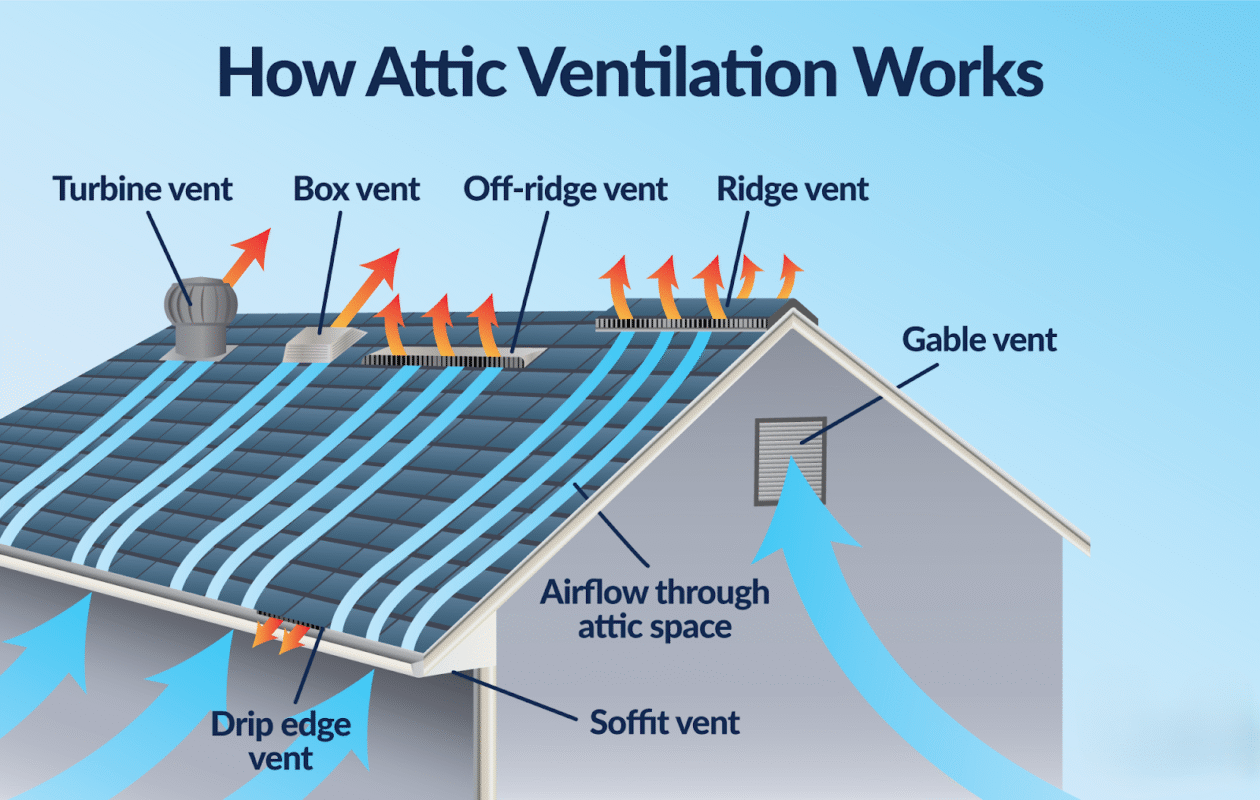
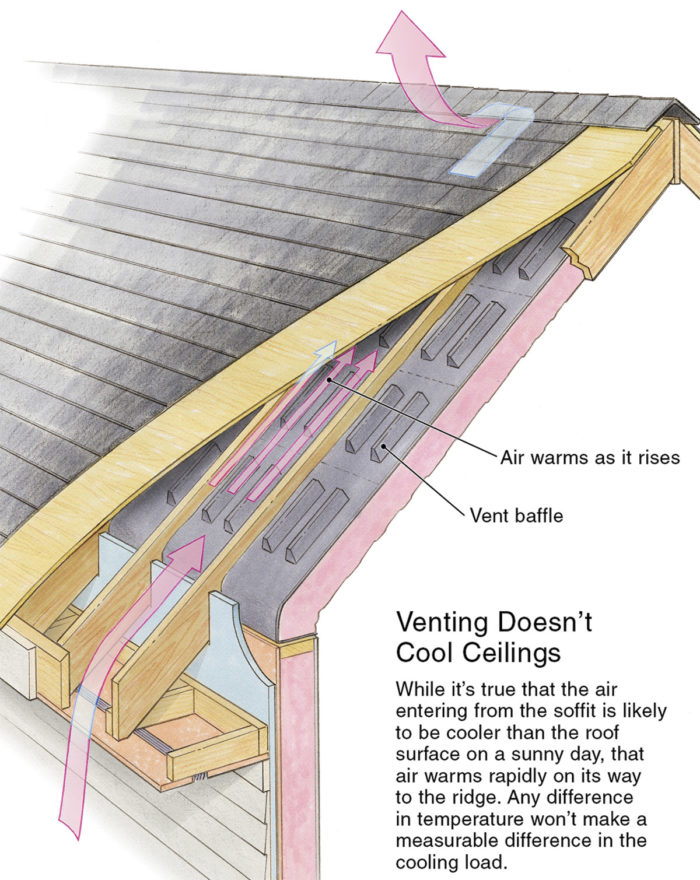
Hot air naturally rises, but if soffit vents and ridge vents aren’t balanced, the heat becomes trapped inside the attic. That trapped heat cooks the roof from below.
Here’s what that looks like over time:
Shingles age twice as fast
Extreme attic heat accelerates asphalt oxidation, making shingles brittle and prone to storm damage.
Roof decking becomes soft or warped
When moisture can’t escape, wood absorbs humidity and begins to bow or delaminate.
Your home can’t cool down
Poor ventilation forces your AC to run nonstop—common in older Austin neighborhoods like Round Rock, Pflugerville, and South Austin.
Moisture becomes trapped
Warm air holds moisture. When it rises into a poorly ventilated attic, that moisture condenses into the wood, insulation, and even ceiling drywall.
If you notice hot rooms, uneven temperatures, or musty smells, it may be time to schedule an attic ventilation assessment from Falcon Roofing & Restoration.
Signs Your Attic Ventilation Is Failing
You don’t need to climb into the attic to spot the warning signs. Here’s what Austin homeowners typically notice first:
• Shingles curling or cracking
• Dark, uneven “streaks” from granule loss
• Hot upstairs rooms even with AC running
• Higher summer electric bills than neighbors
• Rust around roofing nails (moisture indicator)
• Mold or mildew smell coming from attic vents
• Ice dams in rare cold spells (still happens in Texas!)
If your roof is already showing these symptoms, a roof repair in Austin should be handled before the next major storm.
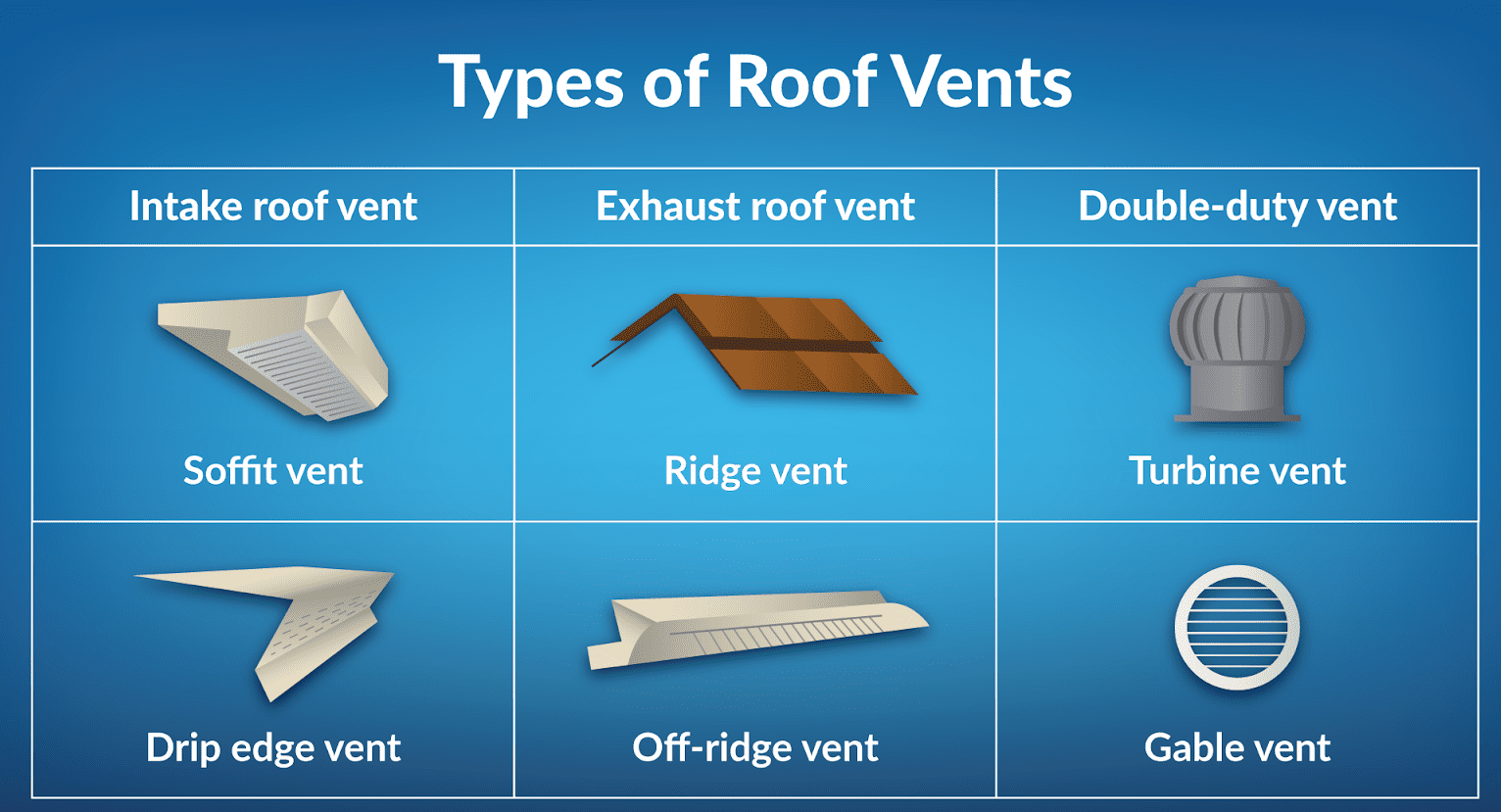
Ridge Vents vs. Turbine Vents vs. Soffit Vents — What Works Best in Texas?
Ridge Vents
• Ideal for long, continuous airflow
• Works best with balanced soffit intake
• Great for new roof installations
Turbine Vents
• Excellent airflow for older Austin homes
• Moves air even without wind (due to convection)
• Best when roof structure limits ridge vent options
Soffit Vents
• The intake side of the attic ventilation system
• Absolutely essential—without intake, nothing works
• Often blocked by insulation in older Texas homes
Best setup for Texas roofs:
A balanced system with ridge vents + soffit vents delivers the most consistent temperature control during Austin summers.
Falcon Roofing can inspect whether your existing ventilation system is performing properly or if insulation is blocking airflow.
Does Poor Ventilation Void Roofing Warranties in Texas?
Yes—many roofing manufacturers state explicitly that improper ventilation can void shingle warranties.
This affects roofs after:
• Hailstorms
• Windstorms
• Insurance claims
• Heat-related material failures
If your roof is aging or if you’re filing a claim for storm damage, pairing the inspection with a roof replacement estimate ensures proper documentation for insurance.
Fixing Ventilation: What Austin Roofers Check First
A professional roofing contractor will evaluate:
-
Total attic airflow (intake vs. exhaust)
-
Blocked soffit vents
-
Insulation coverage and thickness
-
Roof deck moisture levels
-
Shingle temperature exposure
-
Existing ridge vent performance
Small ventilation improvements often cost far less than homeowners expect—and can extend a roof’s lifespan by 10–15 years in Texas.
When Poor Ventilation Calls for a Full Roof Replacement
Ventilation problems left unaddressed often cause structural issues that make a full roof replacement more cost-effective than repair.
A replacement is recommended when:
• Decking is soft or sagging
• Shingles have widespread cracking
• There is mold inside the attic
• Energy bills have increased dramatically
• Heat damage is visible across the entire roof
This is a great time to upgrade to Class 4 impact-resistant roofing, especially in storm-prone Austin suburbs like Georgetown, Leander, Cedar Park, and Hutto.
Ready to Fix Your Roof Ventilation? Get a Free Austin Roof Inspection
Falcon Roofing & Restoration provides expert roof ventilation assessments, repairs, and full replacements for homeowners across Austin and Central Texas.
Call 24/7 or schedule your inspection online today.
Your roof—and your energy bill—will thank you.
