


Most Austin homeowners focus on choosing the right shingle—impact-resistant, architectural, or designer. But the layer beneath the shingles—the roof underlayment—is what actually protects your home from water intrusion, heat, and storm damage.
Texas roofs face extreme heat, powerful windstorms, sudden downpours, and hail events. Without the right underlayment, even the best shingles can fail early.
This guide breaks down the differences between felt vs. synthetic underlayment, how Texas heat affects each one, and which product Falcon Roofing & Restoration recommends for Austin homes based on real performance.
What Exactly Is Roof Underlayment? (Simple Explanation)
Underlayment is the protective barrier installed directly on the roof decking, underneath the shingles. It serves three critical functions:
-
Water protection during storms
-
Heat defense against Texas temperatures
-
Backup protection if shingles are damaged
In many emergency roof repairs damage is often found below the shingles—meaning the underlayment failed before the shingles did.
Why Underlayment Fails Faster in Austin & Central Texas
Texas underlayment faces a unique combination of stressors:
-
Direct attic heat exceeding 150°F
-
Shingle surface temperatures reaching 190°F+
-
Rapid temperature swings during storms
-
Wind-driven rain common in Austin storm cells
-
Hail strikes affecting the layers below shingles
Felt and older underlayments often dry out, crack, or separate from the decking. Once this happens, water begins to seep through the nail holes, fasteners, and seams—leading to:
-
Soft or rotted decking
-
Ceiling stains and leaks
-
Mold growth inside the attic
-
Higher risk during the next storm
This is why many homeowners upgrade to impact-resistant roofing systems when replacing their roofs.
Felt vs. Synthetic Underlayment: Which Is Best for Texas Roofs?
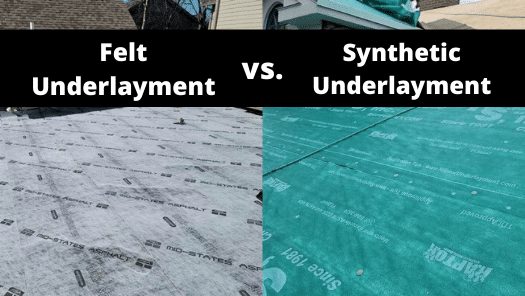
Below is a breakdown specifically tailored for Central Texas climate conditions.
Felt Underlayment (Traditional)
Pros
-
Low material cost
-
Readily available
-
Works sufficiently in mild climates
Cons in Texas
-
Breaks down quickly under high heat
-
Tears easily during windstorms
-
Absorbs water instead of repelling it
-
Shorter lifespan than shingles
-
Higher risk of leak intrusion
Felt may work in cooler climates, but Austin’s heat causes premature brittleness.
Synthetic Underlayment (Modern Standard)
Pros
-
Superior tear resistance (critical during Austin windstorms)
-
Waterproof, not water-absorbing
-
Designed to withstand extreme temperatures
-
More durable under hail impact
-
Lasts significantly longer—often the life of the roof
Cons
-
Slightly higher upfront cost
-
Not all synthetic brands are equal
Falcon Roofing uses premium-grade synthetic underlayment because of its proven long-term durability in Texas roofing systems.
Does Underlayment Impact Insurance Claims in Texas?
Yes — especially in hail-prone areas like:
-
Round Rock
-
Georgetown
-
Pflugerville
-
Cedar Park
-
Buda & Kyle
Insurance adjusters increasingly look underneath the shingles to determine:
-
Heat damage to underlayment
-
Wrinkling or tearing from wind uplift
-
Moisture trapped due to poor ventilation
Many homeowners discover hidden water damage during inspections or roof replacements.
Texas Underlayment Requirements (Updated 2025)
Most Texas municipalities, including Austin, follow:
-
IRC roofing codes
-
Synthetic underlayment acceptance standards
-
Fastener spacing and wind uplift resistance requirements
While felt is technically allowed, synthetic underlayment overwhelmingly outperforms it in Austin’s heat and year-round storm risk.
How Long Does Roof Underlayment Last in Austin?
Lifespan varies by type:
-
Felt underlayment: 10–15 years in Texas
-
Standard synthetic: 20–30 years
-
Premium synthetic (Falcon Roofing standard): Up to the lifespan of the shingles
Most roof failures Falcon Roofing inspects in Austin involve underlayment breakdown, not just shingle wear.
When Should You Replace Underlayment?
Replace underlayment when you notice:
-
Persistent roof leaks
-
Peeling or cracking shingles
-
Sagging roof decking
-
Attic moisture or mold
-
Heat blistering on shingles
If your roof is older than 15 years, or you’re unsure of the underlayment type, schedule a professional roof inspection and underlayment evaluation.
Ready to Upgrade Your Roof’s Protection?
Falcon Roofing & Restoration installs high-performance synthetic underlayment designed for Texas heat, wind, and storm conditions. If you’re in Austin or the surrounding area, we can assess your roof and recommend the best system for long-term durability.
Call us 24/7 or schedule your inspection today.
